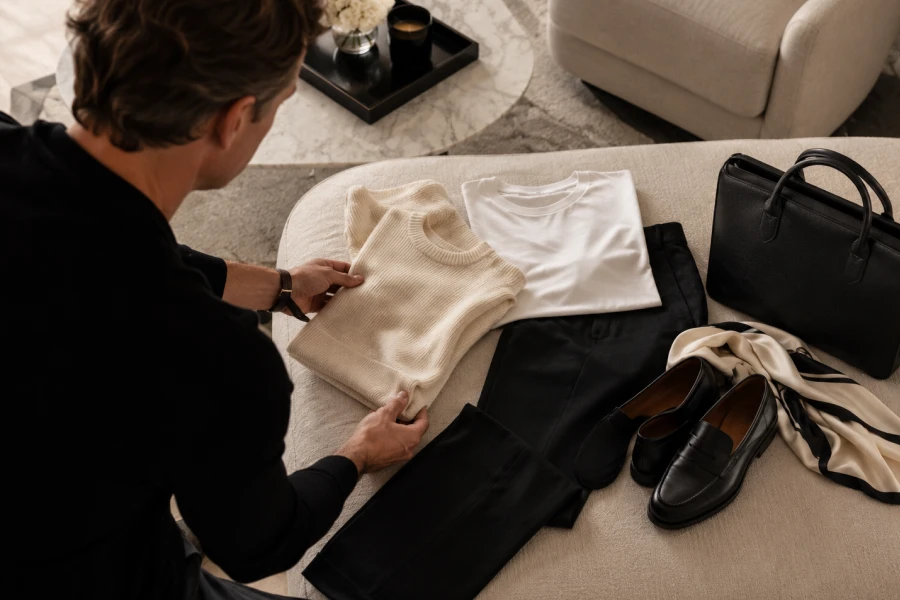
Classic wardrobe planning helps you buy clothes with more purpose and less regret. It creates a clearer standard. It makes trends easier to evaluate. It also helps you avoid duplicate mistakes. A classic closet is not plain. It is disciplined, flexible, and personal. Every piece should serve multiple outfits. Every purchase should support your real routine. That mindset saves money and space. It also makes daily dressing feel calmer.
Your repeated outfits reveal useful information. They show preferred proportions. They expose favorite colors. They highlight comfort needs. They also reveal missing pieces. Start by studying those combinations. A seasonal closet refresh becomes easier afterward. You know what deserves replacement. You know what needs support. Planning begins with what already works.
Classic style should never feel copied. A white shirt can look crisp or relaxed. Denim can feel polished or casual. Tailoring can feel sharp or soft. Knitwear can feel minimal or romantic. Your interpretation creates the difference. Lifestyle shapes what classics mean. Climate also changes priorities. Body comfort matters deeply. Personal classics matter more than universal lists.
Impulse purchases often ignore the bigger closet. They feel exciting in isolation. Then they become difficult at home. Planning gives you a filter. It asks whether the item connects. It also supports minimalist closet ideas without removing style. You buy with more patience. You recognize emotional shopping faster. Fewer mistakes create more satisfaction.
Quality should feel visible and practical. Seams should sit smoothly. Fabric should recover after wear. Buttons should feel secure. Linings should support movement. Shoes should balance beauty and comfort. Good quality does not always mean luxury. It means construction serves use. A strong piece earns repeat wear. Repeat wear is the real test.
Personal uniforms make style recognizable. They reduce decision fatigue. They create a consistent impression. They also leave room for variation. A smart wardrobe building approach supports this balance. You repeat shapes that work. You vary texture, color, or accessories. Your outfits feel familiar but not stale. Confidence grows from consistency. Dressing becomes less performative.
A plan works only when used. Keep a wardrobe note on your phone. List gaps after real outfit problems. Wait before buying trend pieces. Compare items with your best basics. Review fabric and fit carefully. Choose versatility over novelty when unsure. Track cost per wear honestly. Celebrate pieces that work hard. Smart shopping becomes easier through repetition.
Classic wardrobe planning helps you shop with direction instead of reacting to every trend or last-minute event. When you understand your favorite silhouettes, strongest colors, and most repeated outfit formulas, new purchases become easier to evaluate. A classic piece should not feel generic. It should fit your life, flatter your body, and connect with what you already own. This approach reduces regret while keeping style expressive. Over time, thoughtful planning turns your closet into a stronger, more flexible foundation.



Leave a comment